


Simply copy and paste the Localize tag to start translating your site or app in minutes.

Localize's unrivaled, no-code solution empowers you to translate without developers.

Seamlessly integrating across all technologies, Localize works anywhere you can install a JavaScript tag.

Automatic content detection and delivery ensures AI-enhanced translations are always up-to-date.
.svg)
Elevate your entire product experience with solutions to translate web apps, documents, emails, mobile, and more.

Trusted by enterprises globally, Localize follows industry-standard compliance frameworks.


Activating Localize on your site is easy with the straightforward installation of Localize's single JavaScript tag.
.png)
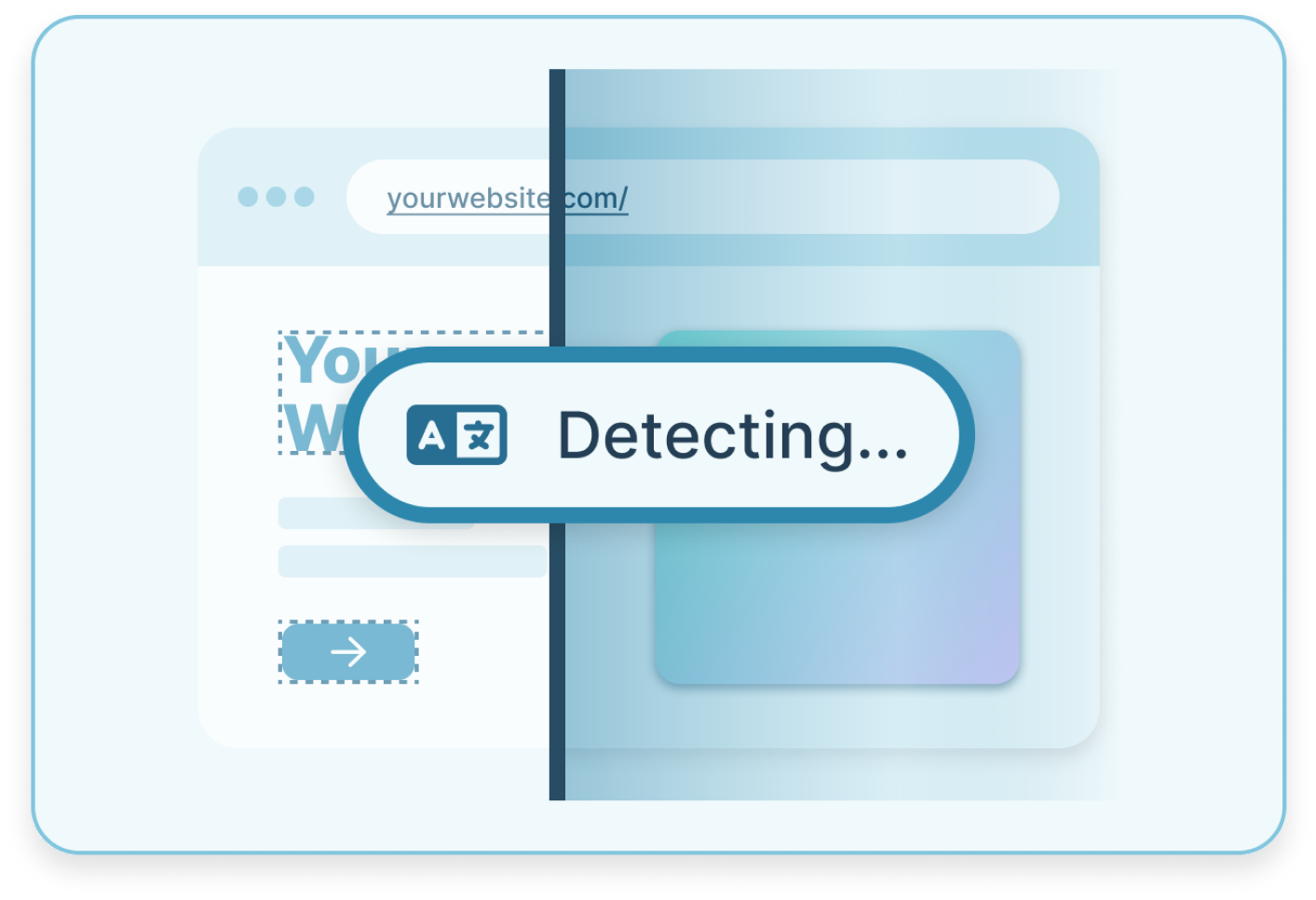
Localize automatically detects all of your content and pulls it into our dashboard for review and machine or human translations.
.png)

Effortlessly manage and translate your content in Localize's intuitive dashboard using AI-powered translation engines.
.png)
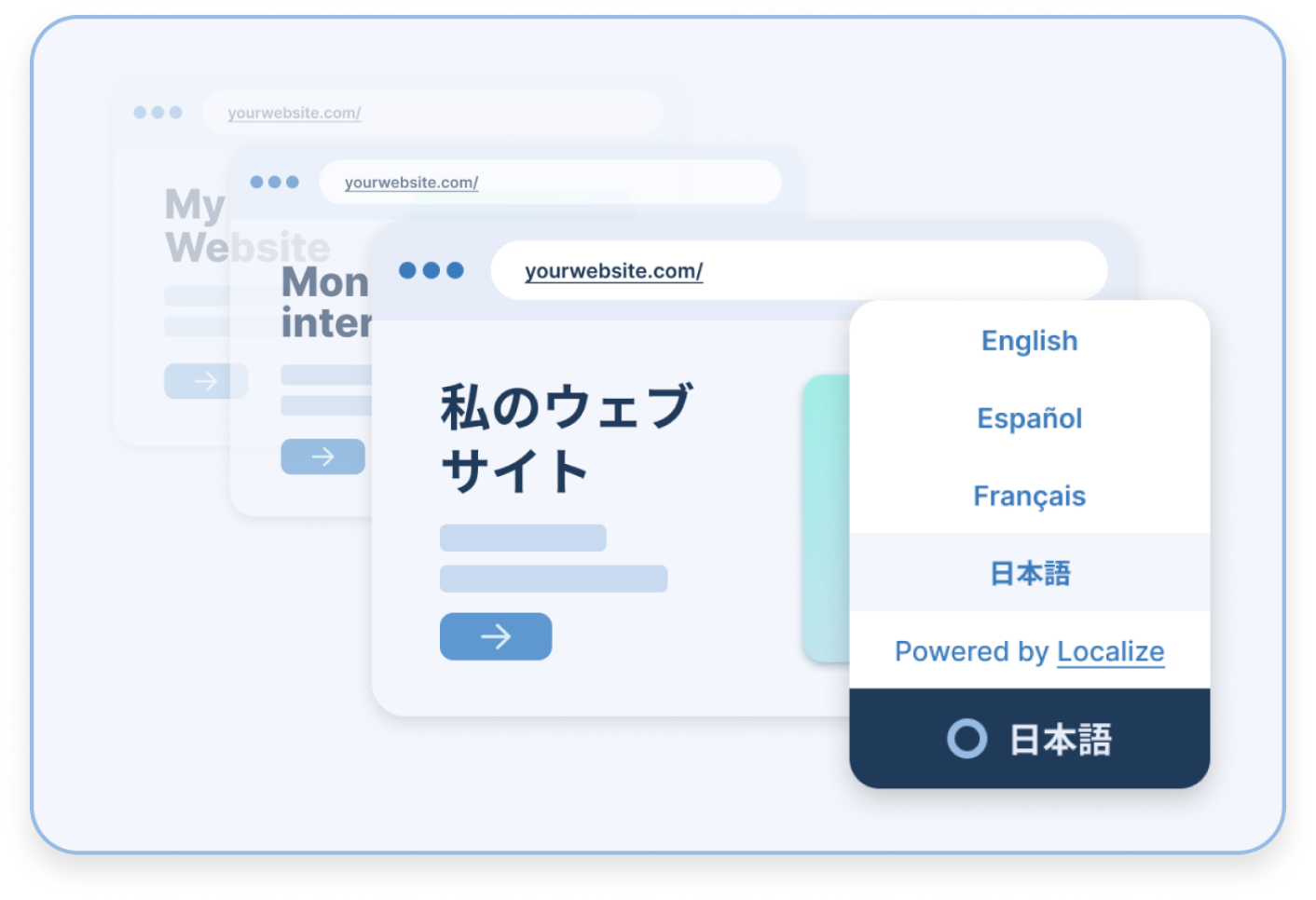
Release translations instantaneously using Localize’s innovative automatic content delivery.
Together, we help you achieve and exceed your goals. Our consultative customer success team takes a proactive approach to help you streamline your localization process, optimize translation costs, and build your business strategy around localization.

“Localize was an easy way for us to add multi-language localization to our existing web app without any major changes. It’s so simple to drop in the Localize code snippet and start translating web pages immediately! And the best part is, it lowered our human translation costs by more than 40%!”
Nicole Hermoso, Product Manager
Developing outcome-driven strategies is easier when working alongside industry experts. Whether it's targeting new languages, reducing translation costs, or aligning your business strategy with localization, our team of experts are by your side every step of the way.

“The cost savings through Localize is significant. We couldn't afford to do straight human translations. The time saving is great too.”
Kate Montressor, Sr Documentation Manager
“Start on the right foot with a tailored onboarding experience and an individually crafted launch plan. Access to strategic recommendations and priority support means you always have a trusted advisor at your fingertips.

“This is some of the best support we've gotten with any software, period. The help documentation, support team - it's been fantastic. We've looked at a lot of different solutions and without this level of support from their Customer Success Team, we just don't consider it in higher education.”
Chase Harmon, Web Content & Engagement Specialist

"Translating manually is really painful, the tradeoffs are just not worth it. We’re constantly updating our content and without Localize to automate that process for real-time translations, all of our resource material would be out of date."

“With Localize, we were quickly able to set up our platform for a global release in 15 languages, without straining on our internal resources. Everything happens seamlessly and automatically.”

“The Localize success team seriously went above and beyond when helping set up my account. Kirk and Tyler were super kind and helpful, and their support alone is definitely worth using the tool.”
See how Localize can elevate your translation workflow using an automated, AI-driven,
no-code solution.

We’re here to help. Get in touch with our specialists and get the answers you need.
Get in touch-1.svg)
See for yourself how Localize can transform your workflows. Getting started is fast and simple with our integration guide.
Get Started


